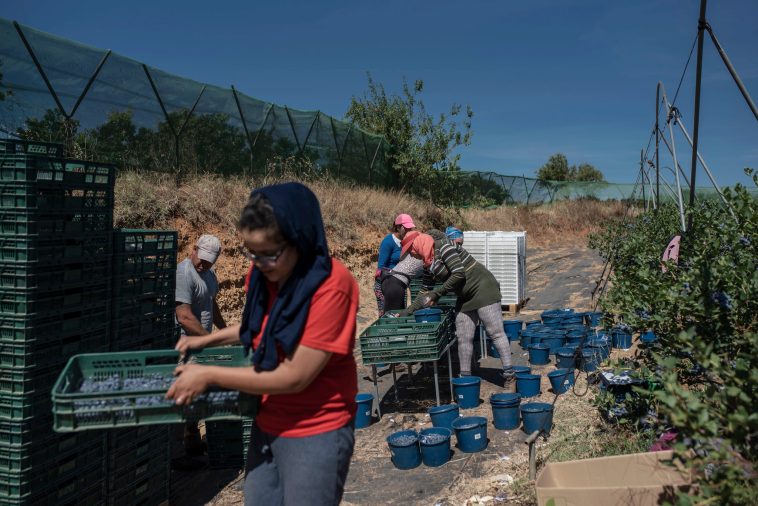

Spain’s Strawberry Economy: A Double-Edged Sword
In recent years, Spain’s economy has grabbed headlines for its impressive GDP growth and its innovative migration policies. On the surface, the nation appears to be a beacon of prosperity in Europe, buoyed by its diverse industries—tourism, manufacturing, and notably, agriculture. Yet behind the thriving numbers lies a deeper story that few consumers consider, and one that is tangled with problematic working conditions, inadequate regulation, and the human cost of economic success.
Spain’s huge agricultural output, particularly in the region of Huelva, remains the lifeblood of the nation’s fruit export industry. The region is responsible for providing more than 60% of the strawberries that grace European supermarket shelves during winter months. However, much like many success stories, there is a flip side to this booming export narrative. The prosperity enjoyed by the nation is inextricably linked to the trying lives of migrant workers, who often suffer appalling treatment in their quest for a better life.
In this opinion piece, we will dig into the tangled issues surrounding Spain’s berry-growing sector. We will explore the everyday challenges faced by the migrant labor force, the role of unions in their struggle for dignity, and the broader economic and political dynamics that make this issue so pressing today. While the Spanish economy rakes in billions from these exports, the human cost remains a nerve-racking and overwhelming concern.
Economic Growth and the Hidden Human Cost
Spain’s Migration-Fueled GDP Growth
Spain’s economic success is often heralded as a model for other European countries. A large number of migrant workers have filled essential roles in the country, particularly in agriculture and tourism. Economists have argued that this open-door approach to migration has been critical for lowering unemployment and boosting GDP. However, the economic picture is incomplete without considering the working conditions that allow such growth to prosper.
The economic model in Huelva is built on two pillars: high-value exports and exceptionally low labor costs. While the booming strawberry exports, now worth upwards of £1.5 billion a year, are celebrated, the reality for many migrant workers is far from celebratory. Their exploitation is hidden behind a veneer of economic success. Some of the key points include:
- Dependence on migrant labour to keep down costs.
- Reliance on undocumented workers to maintain productivity.
- The juxtaposition between high national income and low wages for many laborers.
The national conversation often focuses on macroeconomic indicators and the overall prosperity of the economy, but these discussions rarely shed light on the everyday struggles of the people who actually make the exports possible.
Unintended Consequences of Migration Policies
Spain’s pro-migration stance has undoubtedly contributed to its low unemployment figures and robust GDP numbers. Still, it has also created a situation where an estimated 600,000 migrant workers remain undocumented. This legal limbo strips workers of many of the basic protections that would ensure a decent quality of life. Without proper documentation, these workers face substantial obstacles:
- Limited access to secure, affordable housing.
- Difficulty in obtaining proper healthcare.
- Increased vulnerability to exploitation by employers.
These issues illustrate how economic policies that are intended to stimulate growth can also produce tangled issues on the human front. Although Spain’s government has pledged to naturalise a significant number of undocumented workers each year, the pace of reform has been slow, and many migrant workers continue to live in conditions that are less than acceptable.
Challenging Working Conditions in Huelva: The Untold Reality
The Day-to-Day Struggles on the Berry Fields
A closer look at Huelva’s berry fields reveals a reality that is both eye-opening and deeply disconcerting. After the peak berry-growing season, endless streams of lorries laden with strawberries begin their journey across Europe. Yet behind these well-organised supply chains, the migrant workers often face working conditions that many would consider overwhelming or even unbearable.
The following are some of the most critical aspects of the working environment in these fields:
- Exposure to Chemicals: Workers frequently apply pesticides without protective clothing, exposing themselves to potentially hazardous substances.
- Physical Strain: The work is physically demanding, with long hours in intense heat that can quickly become intimidating given the low level of workplace safety.
- Unpaid Overtime: Many workers report routinely working overtime without additional pay, adding to the already overwhelming pressure.
- Strict Management Tactics: Electronic monitoring and deductions for bathroom breaks are measures that further exemplify the exploitative labor practices prevalent in the region.
For many of these migrant workers, especially those coming from Morocco, sub-Saharan Africa, South America, and Eastern Europe, the conditions represent a cruel irony: while they are the backbone of a flourishing export industry, they are given little in return. The story of two Moroccan women, who reluctantly showed their shipping container dwelling, encapsulates this disturbing truth. Their living conditions—characterised by makeshift facilities and a lack of basic hygiene—paint a clear picture of the hidden costs embedded in every strawberry picked.
Toxic Risks in the Fields
Beyond the immediate concerns of physical strain, there is an equally significant risk posed by the frequent exposure to pesticides. In many instances, workers are seen spraying chemicals without any protective gear. This not only puts their immediate health at risk, but also poses long-term dangers that may include respiratory issues and other chronic conditions.
Moreover, many laborers face restrictions that seem arbitrary from a human perspective, such as bans on bringing bottled water into the fields. Farm bosses, citing the potential damage to crops, impose these limits even as workers battle the heat and dehydration. Such practices highlight the conflicting priorities between maximizing production and ensuring worker safety, and they reflect a broader pattern of neglect that is full of problems.
The situation is further complicated by the fact that some workers are subject to strict time controls and electronic monitoring. Such intrusive measures underscore a system where every slight difference or small twist in productivity is met with deductions or penalties, adding another layer of tension to an already difficult working environment.
Life in the Chabolas: The Realities of Migrant Housing
Substandard Housing and Living Conditions
While the fields are where the physical labor takes place, the migrant workers’ living conditions are a story of their own—and one that is deeply intertwined with systemic neglect. In Huelva, sprawling makeshift settlements known as chabolas (or shantytowns) have emerged around the polytunnels where the strawberry fields are located. These settlements are often constructed from scraps and scavenged materials, and they lack even the most basic services.
The challenges faced in these living conditions are numerous and include:
- Lack of Running Water and Electricity: Many dwellings have no access to utilities, making daily living a struggle for thousands.
- Overcrowding: With tens of thousands of workers crammed into these improvised camps, privacy and safety are almost non-existent.
- Exposure to the Elements: Without proper insulation or weatherproofing, residents regularly contend with extreme weather conditions that further jeopardise their health.
These conditions bring to light a recurring theme in economically buoyant societies: success at a national level does not always translate into better quality of life for every individual contributing to that success. In the case of Spain’s migrant workers, the fine points of their day-to-day existence are riddled with complications that seem almost deliberately overlooked by those at the helm of economic policy.
Vulnerable Communities and Social Isolation
The plight of the migrant workers extends far beyond just the physical discomfort of inadequate housing. Social isolation, language barriers, and the constant threat of deportation create an environment where many workers feel cut off from any real support system. The lack of community infrastructure means that even when issues arise—such as instances of harassment or health crises—these workers often have no one to turn to.
In many cases, the following factors exacerbate social isolation:
- Language and Cultural Barriers: Many migrants are unable to communicate effectively with locals or even with union officials, which makes it challenging to advocate for their rights.
- Fear of Retaliation: Numerous workers express hesitation in speaking out about poor conditions, worrying that complaints might lead to job loss or, worse, deportation.
- Limited Access to Social Services: Without proper documentation, migrant workers are often excluded from public services that could otherwise provide a safety net.
This social isolation not only worsens their immediate living conditions, but it also makes it more difficult for these vulnerable communities to push for necessary improvements in their status and treatment.
Exploitation in the Fields: Unfair Labor Practices
Unpaid Overtime and Inadequate Compensation
One of the most glaring examples of exploitation in Huelva’s berry fields is the issue of unpaid overtime. Numerous reports have surfaced of workers being forced to work extra hours without proper compensation, leaving them to shoulder the burden of their employers’ drive for higher productivity. This practice is particularly troubling as it creates a stark contrast between the high-value commodities Spain exports and the meagre wages that the laborers receive.
Here are some of the key concerns surrounding worker compensation:
- Below Minimum Wage: Many reports indicate that workers receive less than Spain’s minimum daily wage of around £45, making it difficult for them to cover even the most basic expenses.
- No Compensation for Extra Hours: Overtime is frequently expected and, in many cases, goes uncompensated—adding to the overall sense of injustice felt by those laboring in the fields.
- Unstable Income: With so many workers being undocumented, inconsistent pay and exploitative deductions, such as those for breaks or reduced productivity, have become a common and nerve-racking reality.
These employment practices not only leave workers with little financial security but also contribute to an environment where labor exploitation is disguised by economic necessity. The contradiction is palpable: while the country flourishes and profits are high, the individuals contributing to this prosperity are left struggling to sustain even the most basic quality of life.
Exploitation Through Electronic Monitoring
Modern technology has been introduced in many workplaces with the promise of increased efficiency and accountability. However, in the case of Huelva’s farms, electronic monitoring systems are deployed by some employers as tools for punishing rather than supporting workers. These systems, which track productivity minute by minute, often result in deductions from wages for activities that are essential to human comfort, such as short breaks or the occasional need to use the restroom.
This form of surveillance creates an environment where every minute is scrutinised and workers feel as though they are under constant observation. The pressures of such a working atmosphere are palpable, making even the simple act of taking a brief pause for a necessary break a nerve-racking experience. These practices show a clear disregard for the fine details of human needs and contribute to an overall system that is loaded with issues.
The Role of Unions in Combatting Abuse
Union Efforts and Systemic Challenges
Given the myriad challenges faced by migrant workers in Spain’s agricultural industry, the role of trade unions is more important than ever. Unions such as the Andalusian Workers’ Union have been working through tough and often complicated circumstances to advocate for better working conditions, fair wages, and improved living standards for these vulnerable communities.
Yet, union officials themselves face a range of obstacles, including threats to personal safety and a lack of cooperation from employers who prefer to keep a lid on complaints. One union representative, who spoke on condition of anonymity, described how regular inspections and calls for regulatory improvements have met with resistance from the very power structures that benefit from cheap labor.
Key union challenges include:
- Risk of Retaliation: Officials often face hostility and even physical attacks for their organizing efforts.
- Limited Regulatory Impact: Despite regularly highlighting the issues, unions report that tangible changes in company policies remain elusive.
- Inadequate Inspection Processes: Although thousands of inspections have been carried out, they are often announced in advance, allowing employers to mitigate or hide poor practices temporarily.
These challenges not only hinder the ability of unions to make a lasting impact, but they also underscore the persistent disconnect between high-level economic accolades and the everyday struggles of workers. For unions working in this sector, the battle is as much about ensuring human dignity as it is about securing financial justice.
Proposals for Stronger Labour Regulations
To move forward, there is a growing consensus that stronger regulatory intervention is essential. Unions and worker advocacy groups have proposed several measures meant to figure a path toward real change. These include:
- Mandatory Unannounced Inspections: To prevent prearranged fixes, inspectors should conduct surprise visits to work sites.
- Enforced Minimum Wage Standards: Employers must be held accountable for paying not just the minimum wage but ensuring that overtime is compensated properly.
- Improved Worker Housing Regulations: Companies employing migrant workers should be responsible for providing safe, sanitary, and affordable living conditions.
- Clear Legal Pathways to Documentation: Streamlining the naturalisation process would help protect workers from exploitation born out of their undocumented status.
Adopting these measures could help reduce the tension and improve living and working conditions significantly. However, implementing such changes requires not only political will but also a shift in how societies prioritise economic output relative to human welfare.
Policy, Regulation, and the Political Landscape
Political Rhetoric Versus Ground Realities
The political debate over migration and labor practices in Spain is intense. On one end of the spectrum, some political parties have proposed drastic measures echoing Trump-inspired mass deportations, arguing that such policies will help “protect” local jobs. Yet, given the reality on ground in Huelva, such rhetoric appears both misguided and counterproductive.
While far-right voices call for a rollback of migration policies, it is evident that the Spanish economy—bolstered significantly by migrant labor—would suffer if these workers were removed. Indeed, few Spaniards would consider taking on the physically demanding, low-paid work offered in the berry fields, further underscoring the dependency of vital industries on migrant labour.
This contradiction illustrates a broader dilemma: the need to balance the economic benefits of migration with the ethical obligations to those who support the nation’s success. The current political narrative is filled with small distinctions and subtle details that are often overlooked in favor of simplified soundbites.
Government Promises and the Need for Enforcement
The Spanish government, led by Pedro Sánchez, has made pledges to naturalise a significant number of undocumented workers each year. This initiative is undoubtedly a step in the right direction. However, critics argue that such measures, while essential, are not enough on their own. The stark reality is that many workers continue to face hostile conditions due to lax enforcement of labor laws.
Some of the main points of contention include:
- Pre-Notification of Inspections: Even when inspections are conducted, advance notice often means that employers can temporarily adjust conditions, thereby reducing the effectiveness of these checks.
- Inconsistent Penalties: Fines and sanctions have not always resulted in sustainable changes, and many companies find the financial repercussions to be just another cost of doing business.
- Lack of Comprehensive Regulation: There is a significant gap in legislation that ensures fair wages, decent housing, and safe working conditions for all laborers, regardless of their legal status.
For real progress to be made, policymakers must work to tighten the regulations and enforce them without exceptions. Only then can the lives of those in the chabolas and the fields be improved in a lasting manner.
The Ethical Dilemma for Consumers and European Markets
The Hidden Price Behind Imported Strawberries
For many consumers across Europe and beyond, the appeal of year-round fresh strawberries is undeniable. Supermarket shelves are brimming with these bright, juicy fruits during winter—a season that would otherwise be defined by scarcity. However, the cost borne by migrant workers in Huelva is rarely mentioned in discussions about food prices and market supply lines.
The ethical dilemma is clear: while consumers enjoy the convenience and taste of out-of-season berries, they are inadvertently complicit in a system that exploits vulnerable workers. Some key concerns include:
- Lack of Transparency: Few supply chains offer clear insights into the conditions under which the produce is harvested.
- Price Versus Fairness: The low cost of imported berries contrasts sharply with the meagre earnings of the workers who pick them.
- Social Responsibility: There is a growing call among consumers to demand greater accountability from companies that benefit from such exploitative practices.
European markets, which pride themselves on high ethical standards, face a profound challenge: how to balance the demand for affordable produce with the need to ensure that all workers receive fair treatment and living conditions. This issue is full of problems and represents one of the many complicated pieces of a globalized supply chain that often leaves human dignity by the wayside.
How Consumers Can Influence Change
In today’s interconnected world, consumer choices have more power than ever before. While it might seem overwhelming to tackle issues of labor exploitation and poor working conditions overseas, there are several practical steps that consumers can take to prompt change:
- Support Ethical Brands: Seek out companies that are transparent about their labor practices and invest in fair trade certifications.
- Demand Transparency: Use social media and other tools to shed light on any practices that raise red flags.
- Engage with Policy: Support efforts aimed at improving labor laws and encouraging stricter enforcement through petitions, campaigns, and dialogue with local representatives.
- Educate Yourself: Stay informed about where your products come from, and be mindful of the fine points and hidden complexities of the global food supply chain.
By taking these small steps, even the individual consumer contributes to a broader effort to ensure that prosperity is shared equitably, and that nobody is forced to pay the ultimate human price for economic success.
Conclusion: Striking a Balance Between Prosperity and People
Reevaluating Success in a Global Economy
As we reflect on Spain’s remarkable economic growth and its status as a beacon of migration-led prosperity, it is essential to remember that the true measure of success extends beyond GDP figures and export revenues. The human stories behind the data are filled with stories of resilience, courage, and, unfortunately, exploitation. In Huelva’s sprawling strawberry fields and the nearby chabolas, the struggle for dignity and fair treatment is an issue that affects not only the workers but also the broader moral fabric of our global economy.
In order to address these issues effectively, we need a concerted effort from both the public and private sectors. Policymakers, industry leaders, and consumers alike must work together to figure a path toward a more equitable future. The following steps could help in achieving this goal:
| Action | Description |
|---|---|
| Stricter Labour Inspections | Implement unannounced inspections and enforce penalties for non-compliance with wage and safety standards. |
| Improved Worker Housing | Mandate that companies provide safe, affordable, and sanitary living conditions for all workers. |
| Fair Compensation Practices | Enforce payment of approved wages, including overtime, and ensure regular wage reviews. |
| Consumer Awareness | Promote transparency in supply chains so that consumers can make more informed choices. |
Each of these measures is super important for creating a system where economic growth does not come at the expense of human dignity. The challenge is not merely academic; it is a real-world issue that affects hundreds of thousands of lives across Spain and, by extension, the entire European market.
If we are to remain committed to the principles of fairness and ethics, it is critical that companies engaged in mass production—and the government overseeing these industries—shift their focus. The current status quo, where economic achievements are celebrated while workers endure off-putting living and working conditions, is not sustainable in the long run.
A Call for Collaborative Change
Ultimately, the challenges in Spain’s strawberry fields are a microcosm of larger issues faced by industries worldwide. There is a need to take a closer look at the human cost embedded in the global supply chains that underpin our economies. While it is undoubtedly nerve-racking to tackle these overwhelming issues head-on, every stakeholder—from policymakers to consumers—has a role to play.
By working through these thorny issues jointly, we can pave the way for a future where prosperity is truly shared. Whether it is through improved legislation, fair trade practices, or simply by being better informed about the origins of the products we consume every day, we have the opportunity to make tangible changes.
Ultimately, striking a balance between economic success and humane working conditions will require a shift in priorities. The dazzling numbers and positive reviews of Spain’s economic performance must eventually be reconciled with the real lives of the workers who contribute to that success. Only by addressing the hidden human costs can we ensure a sustainable and ethical growth model for the future.
In the final analysis, Spain’s situation offers an important lesson to other nations and industries. It reminds us that true progress involves not only boosting national figures but also taking care of the individuals who, with every painstaking effort, help keep economies afloat. As the debate continues, it remains clear that for both the industry and its labor force, more needs to be done to close the gap between public acclaim and the harsh reality that many face daily in the fields and in their desperate living conditions.
The path ahead is laden with obstacles, full of problems, and certainly not straightforward. However, by managing our way through policies that marry economic objectives with a commitment to human dignity, we might just figure a path toward a more balanced future—one where every strawberry brought to your supermarket shelf is a product of prosperity shared by all.
As consumers and citizens, our role in advocating for these changes is super important. Let us not allow the sweet taste of success to mask the bitter reality that lies behind it. Instead, let us call on our governments, companies, and communities to get into the nitty-gritty of the issues, ensuring that every person involved in our global supply chains is treated with the dignity and respect they deserve.
In a world where economic fortunes can be celebrated with a tweet, it is the overlooked struggles of the people in Huelva that demand our attention. Their fight is not only for fair wages and safe working conditions but also for the very essence of human dignity in a rapidly globalising market. Now is the time to get around the complicated pieces of the supply chain, to take a closer look at these hidden complexities, and to work together to ensure that prosperity is not built on the backs of the vulnerable.
Let our choices as buyers, lawmakers, and advocates reflect our commitment to a future where progress is measured not just in numbers, but in the quality of life for every worker. The myriad challenges may appear overwhelming, but each step taken to support fair practices is a step closer to a more humane global economy.
In conclusion, the story of Spain’s strawberry industry is not just a tale of economic success. It is a reminder that behind every number and every market triumph, there are real people facing tricky parts, tangled issues, and a series of overwhelming challenges that demand our attention and action. Only by working collaboratively can we truly strike a balance between prosperity and people, ensuring that success is a win for everyone.
Originally Post From https://www.theguardian.com/commentisfree/2025/aug/09/spain-economy-strawberries-pickers-migrant-gdp
Read more about this topic at
‘They treat us like machines’: migrant workers’ conceptual …
The Exploitation of Migrant Workers Around the World