Non-Abrasive Mold Cleaning Revolutionizes Plastics Manufacturing
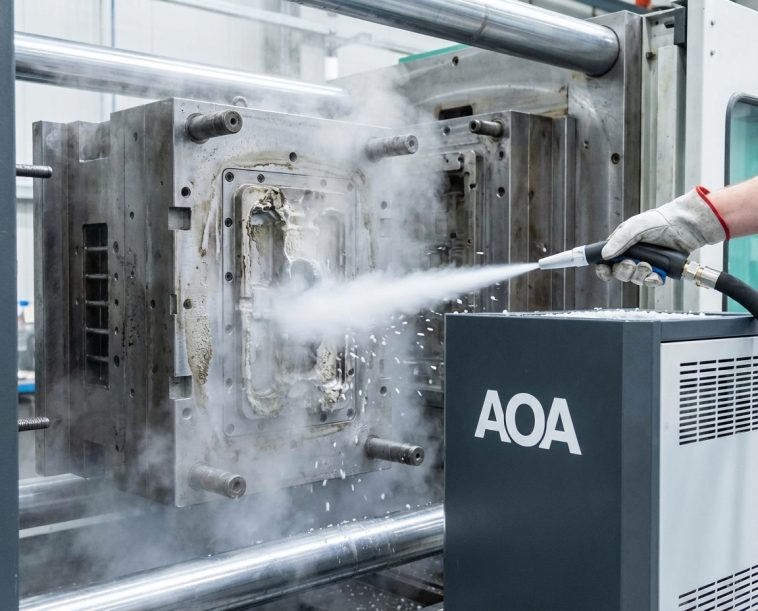
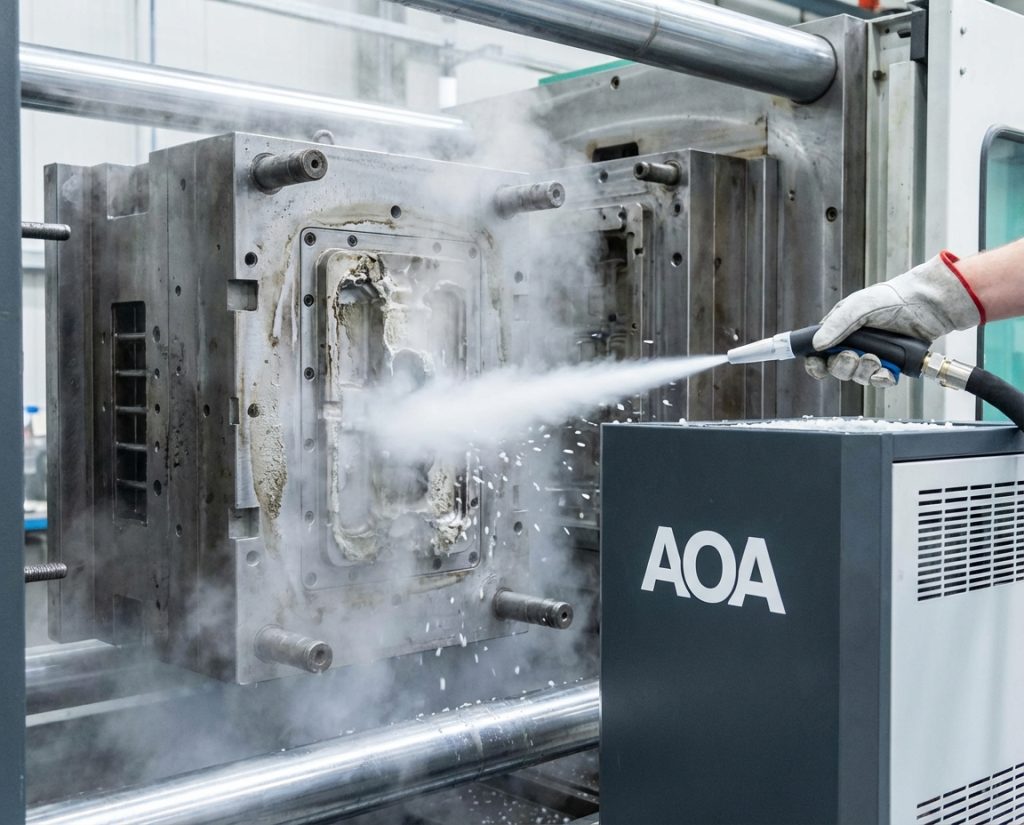
Plastic and rubber manufacturing facilities rely on pristine plastic injection molds, tooling, and production equipment to ensure high-quality output. Residue from polymers, release agents, and adhesives builds up quickly, impacting product quality, cycle times, and equipment uptime. Dry ice blasting emerges as the superior dry ice cleaning method, propelling solid CO₂ pellets via compressed air to remove contaminants without abrasion, moisture, or chemicals.
This non-abrasive cleaning approach outperforms traditional techniques like media blasting or scraping, leaving no secondary waste. Ideal for injection mold cleaning, mold screw cleaning, and mould release removal, dry ice blasting systems boost efficiency in plastics manufacturing.
Key Benefits of Dry Ice Blasting in Mold Cleaning Applications
Injection mold tools demand precision, where even minor residues cause defects and scrap. Blasting with dry ice cleans hot molds in place, slashing downtime by up to 80%.
Preserves Sensitive Mold Surfaces
Steel, aluminum, and composite plastic rubber molds avoid damage from abrasives. Dry ice blasting equipment ensures smooth finishes for optimal part release and tolerances.
Eliminates Disassembly Needs
Skip labor-intensive takedowns; clean rubber molds online. This supports frequent maintenance, enhancing throughput in high-volume operations.
Residue-Free and Chemical-Free Process
CO₂ sublimes on impact, lifting contaminants without media residue or solvents. Perfect for processing equipment and production equipment.
Targeted Mold Cleaning Applications
Dry ice blasting machines excel across scenarios.
Injection Mold and Screw Cleaning
Remove polymer buildup from plastic injection molds and screws, minimizing flash and defects.
Rubber and Blow Molds
Effortlessly strip oils and residues from rubber molds, tire molds, and blow molding dies.
Composite and Precision Tooling
Safely maintain injection mold tools for aerospace and automotive composites.
How Dry Ice Blasting Removes Contaminants
Three mechanisms drive effectiveness:
Kinetic Impact and Thermal Shock
Pellets dislodge buildup via velocity and -109°F cold shock, cracking adhesions.
Sublimation Expansion
Gas expansion lifts debris, enabling thorough mold cleaning.
Common removals: polymers, adhesives, carbonized plastics, oils, dust, and coatings.
Advantages for Production Efficiency
Integrate dry ice blasting into lean maintenance:
- Reduces downtime and scrap
- Extends plastic rubber molds life
- Supports environmental compliance with zero chemicals
Facilities gain higher cycles, better quality, and reliability.
Supporting Lean Manufacturing and Safety
Aligns with preventive strategies, cutting waste while ensuring worker safety—no solvents or water risks.
Frequently Asked Questions
What is dry ice blasting and how does it benefit injection mold cleaning?
Dry ice blasting propels CO₂ pellets to clean plastic injection molds non-abrasively, reducing downtime by 80% and preserving surfaces.
Can dry ice cleaning be used on hot molds and rubber molds?
Yes, dry ice cleaning handles hot molds and rubber molds in place without disassembly.
What makes dry ice blasting equipment ideal for plastics manufacturing?
Dry ice blasting equipment offers residue-free, chemical-free mold cleaning applications for sustained production efficiency.
Meta Description: Optimize plastics manufacturing with dry ice blasting for injection mold cleaning, plastic rubber molds, rubber molds, mold screw cleaning, and mould release removal. Discover non-abrasive dry ice cleaning, dry ice blasting systems, and equipment for production efficiency.